


Workplace Transport Safety: Lessons for Employers from Recent HSE Prosecutions

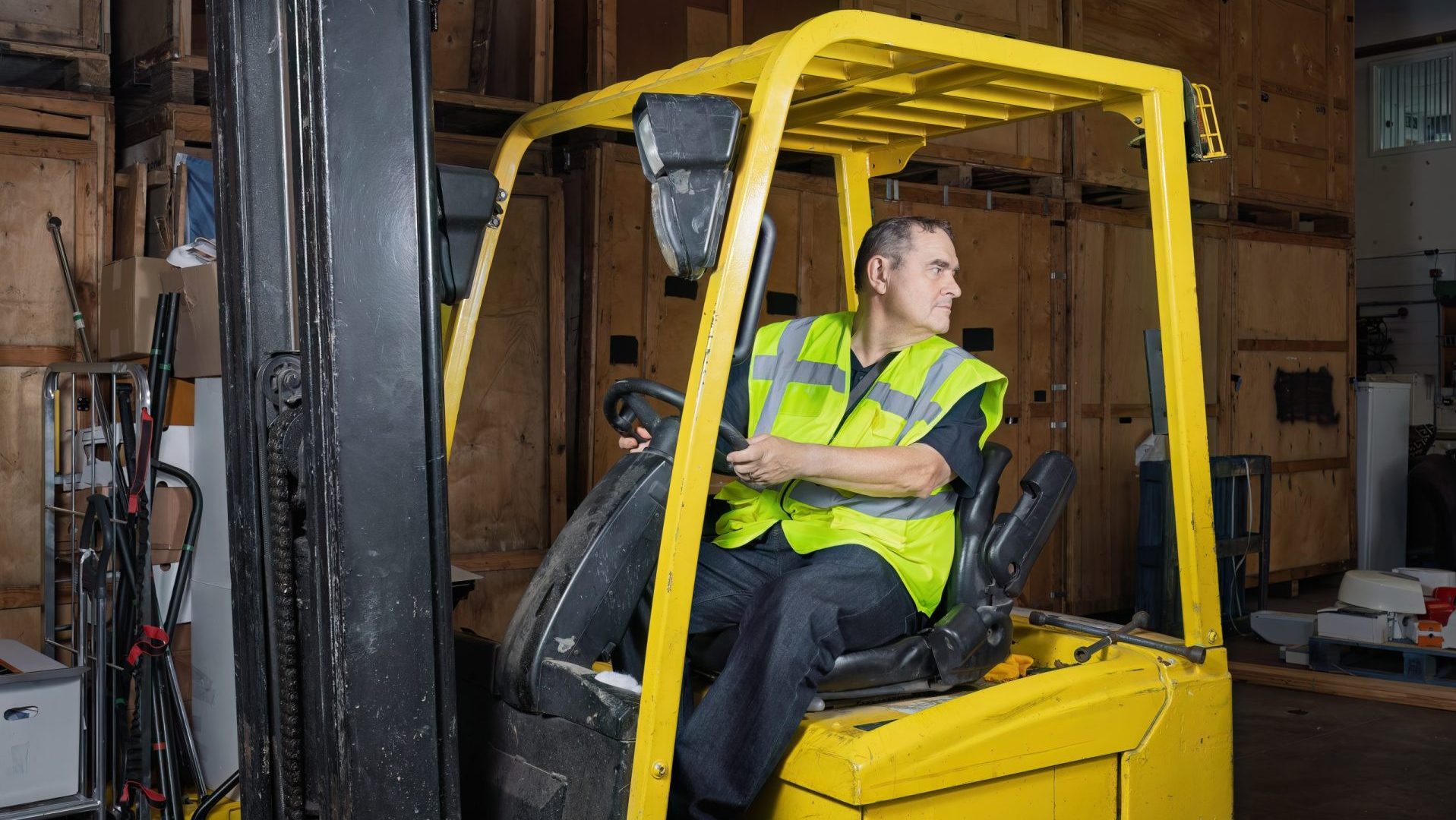
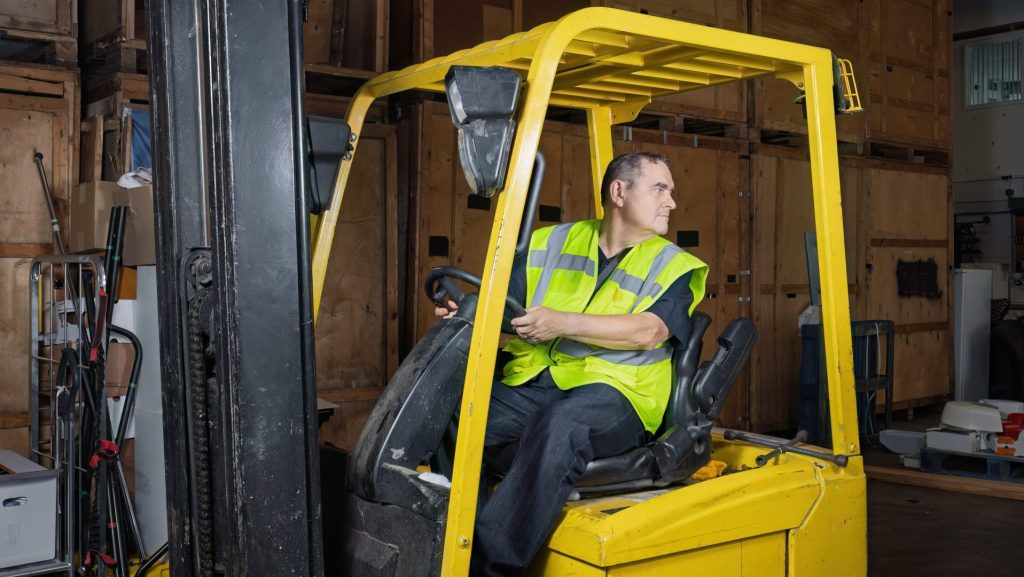
Recent Health and Safety Executive (HSE) prosecutions demonstrate that workplace transport remains one of the leading causes of serious injury and fatal accidents across the UK. Whether involving forklifts, tipper trucks, delivery vehicles, telehandlers or other mobile plant, the same failings frequently arise – poor planning, inadequate risk assessments, insufficient supervision and ineffective segregation of vehicles and pedestrians.
Recent enforcement action, involving a reversing flat-bed truck, a tipper truck incident on the HS2 project and other serious transport-related accidents, highlights that many of these incidents were entirely foreseeable and preventable.
The HSE and Local Authorities continue to identify workplace transport as a priority enforcement area because of the potential for life-changing injuries and fatalities. Businesses that fail to effectively manage vehicle movements not only place workers at risk but may also face substantial fines, prosecution and reputational damage.
Why Workplace Transport Remains a Major Health and Safety Risk
Workplace transport refers to any activity involving vehicles operating within a workplace environment. Despite ongoing awareness campaigns, workplace transport related incidents continue to result in injury and death each year.
Common causes include:
- Poor traffic management arrangements
- Inadequate workplace transport risk assessments
- Unsafe reversing manoeuvres
- Insufficient vehicle maintenance
- Poor visibility
- Lack of supervision
- Dangerous interaction between vehicles and pedestrians
Many incidents occur when safety procedures are either absent or simply not followed as intended despite robust policies and procedures. It’s not about simply creating the framework for workplace safety but creating a culture that reinforces it.
What Does the Law Require Employers to Do?
Several pieces of key legislation place duties on employers to manage workplace transport risks:
| Legislation | Importance |
|---|---|
| Health and Safety at Work etc. Act 1974 (HASAWA) | Primary |
| Management of Health and Safety at Work Regulations 1999 | Supporting |
| Workplace (Health, Safety and Welfare) Regulations 1992 | Supporting |
| Provision and Use of Work Equipment Regulations 1998 (PUWER) | Supporting |
Health and Safety at Work etc. Act 1974
The primary legislation governing workplace transport is the Health and Safety at Work etc. Act 1974 (HASAWA).
Under Section 2, employers must ensure, so far as is reasonably practicable, the health, safety and welfare of employees. This includes the provision of:
- Safe systems of work
- Safe plant and equipment
- Suitable information, instruction and training
- Appropriate supervision
- A safe working environment.
Under Section 3, employers must also protect non-employees who may be affected by their undertaking, including contractors, visitors, customers and members of the public. Where vehicles operate in workplaces shared with pedestrians, this duty is particularly important.
Management of Health and Safety at Work Regulations 1999
The Management of Health and Safety at Work Regulations 1999 requires employers to undertake suitable and sufficient risk assessments and implement appropriate control measures. Many workplace transport prosecutions stem from failures to properly assess risks associated with:
- Vehicle movements
- Reversing activities
- Pedestrian interaction
- Visibility issues
- Site-specific transport hazards
Workplace (Health, Safety and Welfare) Regulations 1992
The Workplace (Health, Safety and Welfare) Regulations 1992 require traffic routes to be organised in a manner that allows pedestrians and vehicles to circulate safely and without unnecessary risk.
Provision and Use of Work Equipment Regulations 1998
The Provision and Use of Work Equipment Regulations 1998 (PUWER) require work equipment, including vehicles and mobile plant, to be:
- Suitable for intended use
- Properly maintained
- Inspected where necessary
- Operated only by competent persons
Poor maintenance and inadequate inspection arrangements continue to feature in enforcement activity across many industries.
Key Lessons from Recent HSE Workplace Transport Prosecutions
Recent prosecutions offer valuable insight into the failings that continue to cause serious workplace transport incidents.
Vehicle and Pedestrian Segregation
One of the most significant lessons from recent prosecutions is the importance of vehicle and pedestrian segregation. In a recent case, an employee sustained life-changing injuries after being struck by a reversing flat-bed truck. The HSE investigation found inadequate measures were in place to separate vehicles and pedestrians.
Physical separation remains one of the most effective controls available. Dedicated pedestrian walkways, barriers, controlled crossing points and one-way traffic systems can significantly reduce the risk of collision.
Reversing Vehicles
Another common failing is the over-reliance on reversing manoeuvres. Reversing remains a major cause of workplace transport incidents because drivers often have restricted visibility. Employers should seek to eliminate reversing where reasonably practicable through site design, drive-through systems or one-way vehicle routes. Where reversing cannot be avoided, appropriate controls such as trained banksmen, reversing aids and clearly defined exclusion zones should be implemented.
Workplace Transport Planning and Risk Assessments
Recent prosecutions also demonstrate the consequences of poor planning and inadequate risk assessment. The HS2 contractor prosecution, involving a 20-tonne tipper truck that fell from an excavation ramp, highlights the importance of carefully planning vehicle movements, assessing site conditions and ensuring appropriate control measures are in place before work begins.
Supervision and enforcement
In many cases, employers have documented procedures but fail to ensure that they are followed in practice. This underlines the importance of effective supervision. Supervisors should routinely monitor compliance with site rules, challenge unsafe behaviours and ensure traffic management arrangements remain effective as conditions change.
How to Improve Workplace Transport Safety
A workplace transport risk assessment should consider vehicle routes, pedestrian movements, visibility, speed restrictions, loading and unloading activities, contractor access, lighting, surface conditions and emergency arrangements.
Employers should ensure:
- Vehicle and pedestrian routes are clearly separated wherever possible.
- Reversing is eliminated or minimised through site design.
- Drivers and operators are suitably trained and competent.
- Site traffic management plans are documented and communicated.
- Vehicles and mobile plant are maintained and inspected in accordance with PUWER & LOLER (Lifting Operations and Lifting Equipment Regulations) requirements.
- Contractors and visitors receive appropriate induction, instruction and supervision where required.
- Control measures are monitored and reviewed regularly.
Training and competence are critical. Drivers, banksmen, supervisors and pedestrians all have responsibilities within a workplace transport system. Regular refresher training and ongoing monitoring help ensure standards are maintained and unsafe behaviours are identified before an incident occurs.
Final Thoughts
Recent HSE prosecutions send a clear message: workplace transport incidents rarely occur because of a single failure. They are usually the result of inadequate planning, weak supervision, poor risk assessment and ineffective traffic management arrangements.
The legal duties under the Health and Safety at Work etc. Act 1974, the Management of Health and Safety at Work Regulations 1999, the Workplace (Health, Safety and Welfare) Regulations 1992 and PUWER 1998 are well established. Employers who actively manage workplace transport risks, rather than simply documenting them, are far more likely to protect their workforce and avoid enforcement action.
Ultimately, effective workplace transport management is not just about compliance. It is about creating a working environment where vehicles and people can operate safely together, ensuring that everyone goes home safely at the end of the day.
How can AfterAthena Help?
The importance of independent reviews, assessments and support is crucial in health and safety, and no less than with workplace transport.
AfterAthena supports businesses across a range of sectors with practical, commercially focused health and safety advice. Our consultants can help employers identify workplace transport risks, review existing control measures and ensure compliance with relevant health and safety legislation.
Our support may include:
- Workplace transport risk assessments
- Traffic management plan reviews and development
- Site inspections and compliance audits
- Health and safety policy reviews
- Assistance following incidents and near misses
- HSE investigation and enforcement support
- Training and guidance for managers, supervisors and employees
Our health and safety services can be offered as part of an ongoing annual service plan, as a project, or as a single ad-hoc piece of consultancy.
By taking a proactive approach to workplace transport safety, businesses can reduce the likelihood of accidents, protect employees and demonstrate compliance with their legal obligations.
For organisations operating warehouses, construction sites, manufacturing facilities, logistics hubs or other workplaces where vehicles and pedestrians regularly interact, regular reviews of workplace transport arrangements can play a vital role in preventing incidents before they occur.
Get in touch today to speak with an expert.
FAQs
Workplace transport safety involves managing vehicles, mobile plant and pedestrian movements within a workplace to reduce the risk of accidents. It includes traffic management, driver training, vehicle maintenance, risk assessments and supervision to help prevent injuries and fatalities.
Yes. Employers must carry out suitable and sufficient risk assessments under the Management of Health and Safety at Work Regulations 1999. Assessments should identify hazards associated with vehicle movements and implement controls to reduce risks to workers and others.
Common causes include poor traffic management, inadequate supervision, reversing vehicles, insufficient risk assessments, poor visibility, unsafe site layouts and a lack of separation between vehicles and pedestrians operating in the same area.
Separating vehicles and pedestrians significantly reduces the likelihood of collisions. Employers should use barriers, dedicated walkways, controlled crossing points and planned traffic routes wherever reasonably practicable to improve workplace transport safety.
A workplace traffic management plan should set out vehicle routes, pedestrian routes, loading areas, crossing points, speed restrictions, parking arrangements and site-specific control measures designed to reduce transport-related risks.
Yes. The HSE can prosecute employers that fail to adequately manage workplace transport risks. Depending on the circumstances, organisations may also receive Improvement Notices, Prohibition Notices and substantial financial penalties.
Employers should eliminate reversing where possible through site design and one-way systems. When reversing cannot be avoided, controls such as trained banksmen, reversing cameras, warning systems and exclusion zones should be considered.
Key legislation includes the Health and Safety at Work etc. Act 1974, the Management of Health and Safety at Work Regulations 1999, the Workplace (Health, Safety and Welfare) Regulations 1992 and the Provision and Use of Work Equipment Regulations 1998 (PUWER).
Sarah Livesley | Health and Safety Consultant
Related Insights



The latest in expert advice
Sign up to our newsletter for the latest insights and events from AfterAthena.