



Managing The Rise of Wearable Technology in the Workplace

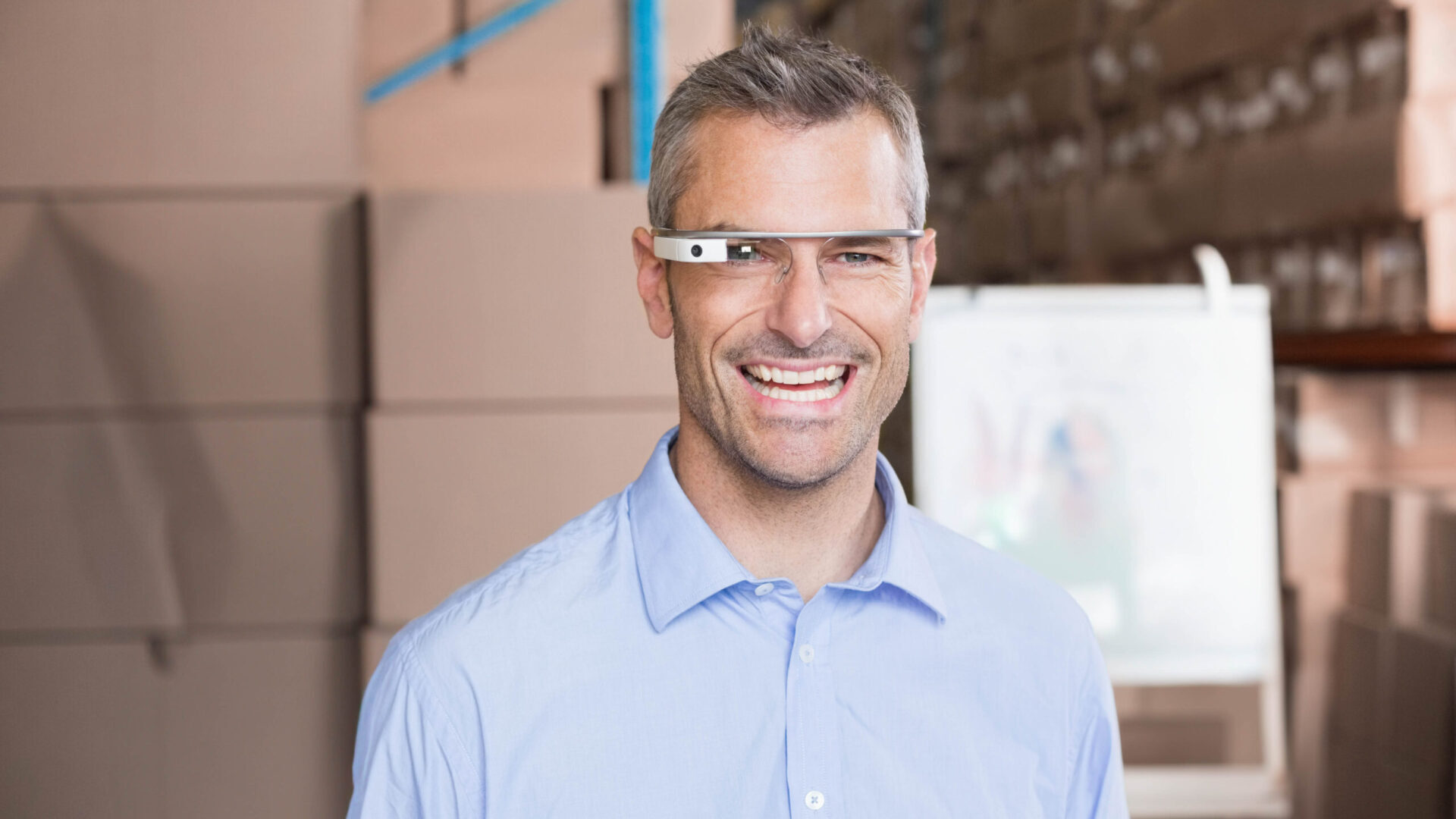
From smartwatches and fitness trackers to AI-enabled smart glasses, wearable devices are increasingly appearing in workplaces—sometimes introduced by employers but more often brought in by employees themselves.
This creates a challenge for UK employers: how to embrace innovation and potential productivity benefits with legal, privacy and employee relations risks.
The article looks at how employers can get the balance right and integrate wearables into the workplace in the correct way.
What are wearable devices?
Wearables are electronic devices worn on the body that collect, process and sometimes transmit data. They include:
- Smart watches, smart rings and fitness trackers, which monitor activity, heart rate and sleep.
- Smart glasses and AI glasses which record video and audio, providing real-time prompts and AI-generated assistance.
- Augmented and virtual reality headsets, often used for training or operational support.
- Biometric or ergonomic sensors which can track fatigue, posture or safety risks.
- GPS and location trackers, often used in logistics or field roles.
Many devices combine multiple functions, such as monitoring health, capturing data and enabling communication with other devices.
In particular, smart glasses represent a step-change in application, which also creates additional risk. They can record audio and video, live-stream, translate, and interact with an AI assistant —all while appearing indistinguishable from ordinary eyewear.
What benefits can employers gain from the use of wearables?
Used appropriately, wearables can deliver business benefits:
- Improved productivity and accuracy by providing hands-free access to information, which requires limited human input to obtain, record and analyse.
- Enhanced health and safety monitoring, such as providing fatigue alerts and detecting hazards.
- Better training and performance support, enabling training in risk-free, virtual, environments and providing real-time feedback.
- Increased efficiency, such as seamless interactions with AI assistants and simultaneous collection of data from a number of sources via the internet of things
- Increased accessibility, such as real-time transcription via smart glasses
- Better ability for employers to understand well-being and job performance.
However, the same features that create value also introduce significant risk.
Key risks of employee use of wearables
1. Privacy and covert monitoring
Smart glasses and some other wearables can record individuals without their knowledge, challenging fundamental privacy expectations, particularly in the workplace.
Devices such as smart glasses can capture audio and video discreetly and continuously, often without any or limited detectable cues that the recording is taking place. There is considerable potential for misuse.
2. Data protection, cyber security risks and GDPR compliance
Wearables can collect large volumes of potentially sensitive data, including:
- Biometric and health data (such as heart rate and levels of fatigue)
- Location tracking data
- Audio and video recordings of employees, customers or clients
In the case of smart glasses, individuals may be unaware they are being recorded, undermining the requirement for them to have provided consent to the processing of their data.
Such data may qualify as special category personal dataunder GDPR, requiring:
- A high level of protection
- A clear lawful basis for processing
- Enhanced safeguards
Many devices also rely on cloud services and wireless connections, increasing the risk of data breaches or unauthorised access.
3. Employment law and discrimination risks
Failing to prevent the use of covert recording devices by employees or third parties in the workplace could lead to a breach of the implied term of trust and confidence. Employers could also be liable for harassment arising from the use of such devices.
Where an employer has introduced wearable technologies for use by employees in carrying out their roles, this could place the employer at a risk of discrimination claims such as:
- A failure to make reasonable adjustments where the use of wearables places an employee with a disability at a substantial disadvantage.
- Wearable policies may disproportionately impact certain groups such as older workers, who may be less comfortable with wearable technology, religious groups who may object to certain types of bodily monitoring and neurodivergent employees who may be affected by monitoring or sensory issues.
- If wearable data reveals fatigue, high levels of stress or reduced physical performance, and the employer acts on it, this could give rise to a discrimination claim where the employee has a disability.
- Algorithmic or data-driven insights and decision-making using data from wearable technology may introduce bias or unfair treatment which could lead to discrimination claims if it disadvantages protected individuals or groups.
4. Workplace culture, wellbeing and trust
Even lawful use of wearables in the workplace can have unintended consequences:
- A perceived ‘surveillance culture’ may damage employee trust and engagement.
- Employees may feel constantly monitored, negatively impacting morale and potentially reducing performance due to feeling under pressure.
- Lack of transparency and open communication about the use of wearable data can undermine adoption and lead to resistance.
5. Confidentiality and commercial risks
Wearables—particularly recording-enabled devices—can expose sensitive business information. Risks include:
- Recording of confidential meetings or client interactions.
- Capturing of trade secrets or commercially sensitive data.
- Accidental or deliberate data leakage.
The use of wearables such as smart glasses during recruitment stages, such as interviews and assessment days, could artificially inflate the perceived capability of candidates.
Smart glasses and other wearables can be brought into the workplace by employees or visitors without employer knowledge, making it difficult for employers to monitor usage or ensure compliance with internal policies.
What can employers do to mitigate the risks associated with the rising use of wearables?
A proactive and structured approach is critical. Key steps include:
1. Adapt your “Bring your Own Device to Work” policy
Employers should ensure that their Bring Your Own Device to Work (BYOD) policy covers wearables and includes:
- Permitted and prohibited devices.
- Acceptable use.
- Rules around connecting devices to internal systems.
- Data collection, use and retention rules.
- Data ownership and device monitoring rules.
- Disciplinary consequences for misuse.
2. Prioritise transparency and communication
Under UK GDPR principles, employers must be clear about how wearable data is handled.
This includes:
- Informing employees of what data is collected and why.
- Explaining how it will be used, stored and shared.
- Providing clear privacy notices and guidance.
- Ensuring monitoring is lawful, transparent and proportionate.
- Only collecting data that is necessary and justified and restrict data access.
- Conducting data protection impact assessments (DPIAs) where wearables involve monitoring or sensitive data.
3. Consider equality and reasonable adjustments
Employers should:
- Ensure wearable programmes do not disadvantage certain groups.
- Provide alternatives or reasonable adjustments where devices conflict with disability, health, religious or other needs.
- Avoid using data in ways that could lead to biased outcomes.
4. Strengthen IT and cyber security controls
Wearable devices should be subject to the same security standards as other workplace technology.
- Ensure devices meet minimum security standards.
- Use encryption and secure connections.
- Control integration with company systems and cloud platforms.
5. Train managers and employees
Policies alone are not sufficient. Training should cover:
- Appropriate use of wearable devices.
- Privacy and confidentiality obligations.
- How to report concerns or misuse.
Smart technology needs smarter boundaries: balancing innovation with risk
Wearable technology is likely to become a routine part of working life but its success in the workplace will depend on how employers choose to manage it.
Employers need to harness the benefits of wearables while protecting employee rights, trust and wellbeing.
The organisations that get this right will:
- Use data proportionately and with justification.
- Treat wearable data as sensitive, recognising the importance of data protection and ensuring data principles are upheld.
- Ensure transparency and open communication around data collection, making sure that surveillance and monitoring is not used as a substitute for human interaction and oversight.
- Design policies with inclusion in mind, not as an afterthought.
- Ensure employees are sufficiently protected from irresponsible and unlawful use of wearables by other employees and third parties.
Wearable technology should enhance the employee experience—not undermine it. By putting clear guardrails, fairness and accountability at the centre of any wearable strategy, employers can stay on the right side the law and maintain a good workplace culture.
FAQs
Yes—but monitoring must be lawful, transparent and proportionate under UK GDPR. Covert monitoring is high-risk and rarely justified.
Yes. Many wearables collect personal and potentially special category data, such as health or biometric information, which requires enhanced protection.
Yes. Employers should explicitly include wearable devices in BYOD policies to control risk and define acceptable use.
Smart glasses can record audio and video covertly, creating significant privacy, confidentiality and data protection risks. UK employers should take steps to ensure proper usage and appropriate restrictions in line with HR policies and GDPR regulations.
This is high-risk. Employers must ensure any use of wearable data is lawful, fair and does not create discrimination or bias on the basis of protected characteristics.
Elizabeth Judson | Head of Platform Experience
Related Insights
 How Sponsor Licence Holders Can Avoid Costly Mistakes And Avoid Civil Penalties
05th Oct 2026
Business Immigration Employment Law

The latest in expert advice
Sign up to our newsletter for the latest insights and events from AfterAthena.